Phonics for Parents
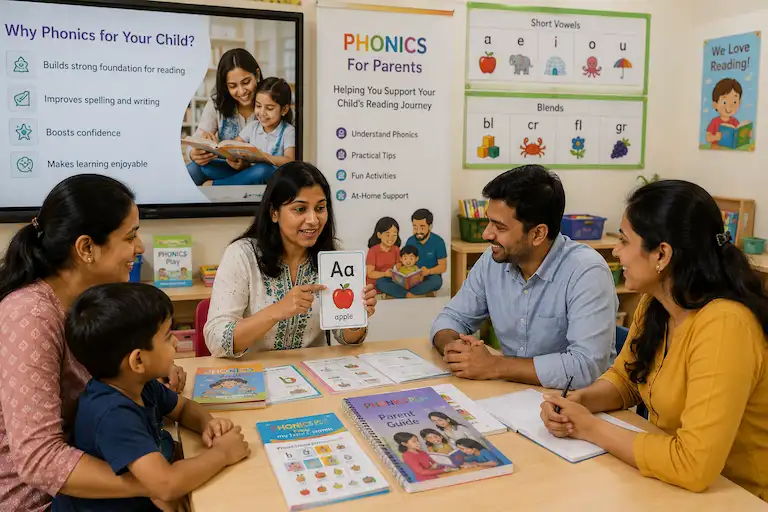
Phonics for Parents helps you support your child’s reading with confidence. Learn sounds, blending, pronunciation, and simple techniques you can easily practise at home.
What Is Phonics for Parents?
Phonics for Parents is a practical learning program that helps parents understand how children learn letter sounds, blending, decoding, and early reading skills. It teaches simple synthetic phonics techniques that parents can use at home to reinforce their child’s reading development and build consistent reading practice.
Why Should Parents Learn Phonics?
Parents play an important role in creating regular reading habits at home. Learning the right approach can make practice more consistent and enjoyable.
Understand Letter Sounds Correctly
Learn how individual phonics sounds are introduced and pronounced so you can model them accurately when practising with your child. Understanding the difference between letter names and sounds can also help avoid common pronunciation mistakes during home practice.
Support Reading Practice at Home
A basic understanding of phonics helps you guide your child through letter sounds, blending, simple words, and early reading activities. You can reinforce the skills introduced through your child’s regular phonics lessons without turning home practice into a formal classroom session.
Build Your Child’s Reading Confidence
What Will You Learn in the Phonics Course for Parents?
The Phonics Course for Parents focuses on practical knowledge that parents can understand and apply during reading practice at home. The training introduces core phonics concepts step by step, helping parents understand how sounds, words, and early reading skills develop.
Letter Sounds and Pronunciation
Learn how individual phonics sounds are introduced and pronounced correctly. Parents can develop a better understanding of sound formation and use accurate pronunciation when practising phonics with their children.
Blending and CVC Words
Learn how children combine individual sounds to read simple CVC words such as cat, sun, and pin. Parents are introduced to simple blending techniques that can be practised through short, guided activities at home.
Sight Words and Simple Sentences
Understand how common sight words and simple sentences can be introduced alongside phonics-based reading. This helps parents combine decoding practice with meaningful reading activities as their child progresses.
Advanced Phonics Concepts for Parents
Once the fundamentals are clear, parents can explore concepts that help children progress from simple words to more complex reading patterns.
Blends and Digraphs
Learn how blends and digraphs work and how they appear in words. Understanding these sound patterns helps parents recognise what their child is learning and provide appropriate reading practice at home.
Syllables and Long Vowels
Understand how syllables and long-vowel patterns influence word reading and pronunciation. Parents can use this knowledge to help children approach longer or unfamiliar words more confidently.
Common Spelling Patterns
Become familiar with common spelling patterns that appear in children’s reading and writing. This helps parents explain recurring patterns and reinforce them through simple home-reading activities.
How to Teach Phonics at Home
Learning how to teach phonics at home can help parents make reading practice more structured and consistent. Parents can use short, engaging activities to reinforce the phonics skills their children are learning without making home practice feel like a formal classroom lesson.
Practise Letter Sounds
Start with a small number of sounds and encourage your child to recognise and pronounce them correctly. Short, regular practice can help reinforce sound recognition without overwhelming the learner.
Teach Blending Step by Step
Once your child is familiar with individual sounds, guide them to blend the sounds together to read simple words. Begin with easy words and gradually introduce more challenging examples as their confidence develops.
Use Phonics Activities for Parents
Games, flashcards, picture-based activities, word matching, and simple reading exercises can make phonics practice more engaging. Choose activities based on your child’s current reading ability and focus on practising skills they already know.
Build a Daily Reading Routine
Keep phonics practice short and consistent rather than relying on long sessions. Combining phonics activities with shared story reading can help children apply their reading skills in a meaningful context.
Who Is the Phonics Program For?
The Phonics Program for Parents is designed for adults who want to understand phonics and confidently support a child’s reading development at home. No prior teaching experience is required, making the program suitable for parents and caregivers at different levels of experience.
Parents of Preschool and Primary Children
Parents can learn practical phonics techniques that complement the reading skills their children are developing at school. The knowledge can be used to reinforce sounds, blending, word reading, and regular reading practice at home.
Homeschooling Parents
Homeschooling parents can use the phonics concepts and activities to support structured reading and language development as part of their home-learning routine.
Grandparents and Caregivers
Grandparents and caregivers who regularly help children with reading can also benefit from learning consistent phonics techniques and using the same approach during home practice.
Why Choose Phonics Play for Parent Training?
Phonics Play provides a parent-focused phonics learning program that combines structured instruction with practical techniques parents can use during reading practice at home. The program is designed to make phonics easier to understand and apply, even for parents without previous teaching experience.
Practical Synthetic Phonics Approach
Learn the principles of Synthetic Phonics, including sound recognition, blending, decoding, and common phonics patterns. The training focuses on practical understanding so parents can reinforce these skills during everyday reading activities.
Parent-Focused Learning
The program is designed specifically for parents and caregivers rather than trained classroom teachers. Concepts are explained step by step, with practical examples that make it easier to understand and apply phonics at home.
Supportive Learning Environment
Parents can learn phonics concepts at a comfortable pace and develop greater confidence in supporting their child’s reading. The structured approach helps parents understand what to practise and how to make home reading sessions more effective.
Phonics for Parents in Chennai
Parents looking for Phonics for Parents in Chennai can join Phonics Play’s parent-focused learning program to understand phonics and support their child’s reading development at home. The program provides practical guidance on sounds, blending, pronunciation, and age-appropriate reading activities.
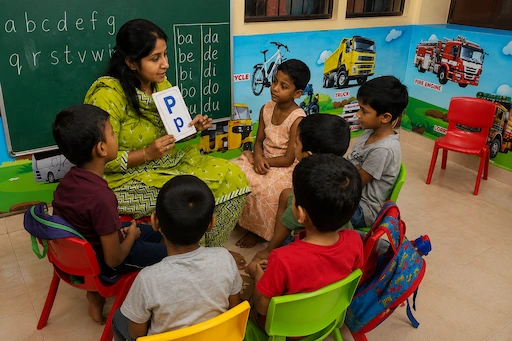
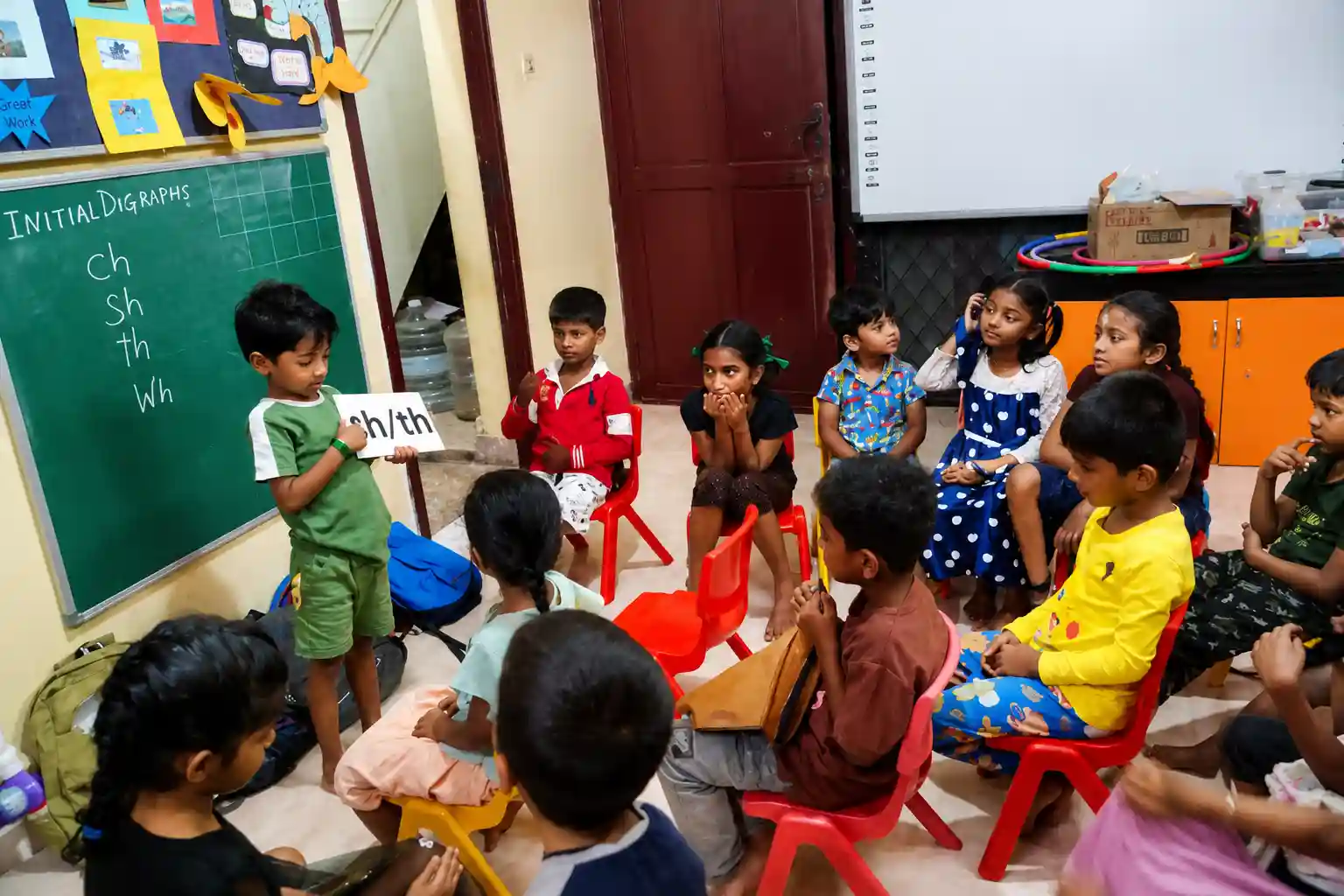
Class Activities Gallery:



Admissions Open
Frequently Asked Questions
What is a phonics course for parents?
A practical course that teaches parents how to support their child’s reading through phonics.
Do I need teaching experience?
No, the course is designed for parents without prior teaching experience.
Can I teach phonics at home?
Yes, you can use simple phonics techniques, games, and reading activities at home.
What age should my child start phonics?
Phonics can be introduced during the early stages of your child’s reading development.
What does the program include?
The program covers sounds, blending, pronunciation, and practical reading activities for home practice.