How to Choose the Right Phonics Program for Your Child by Age and Grade
Home/Blogs
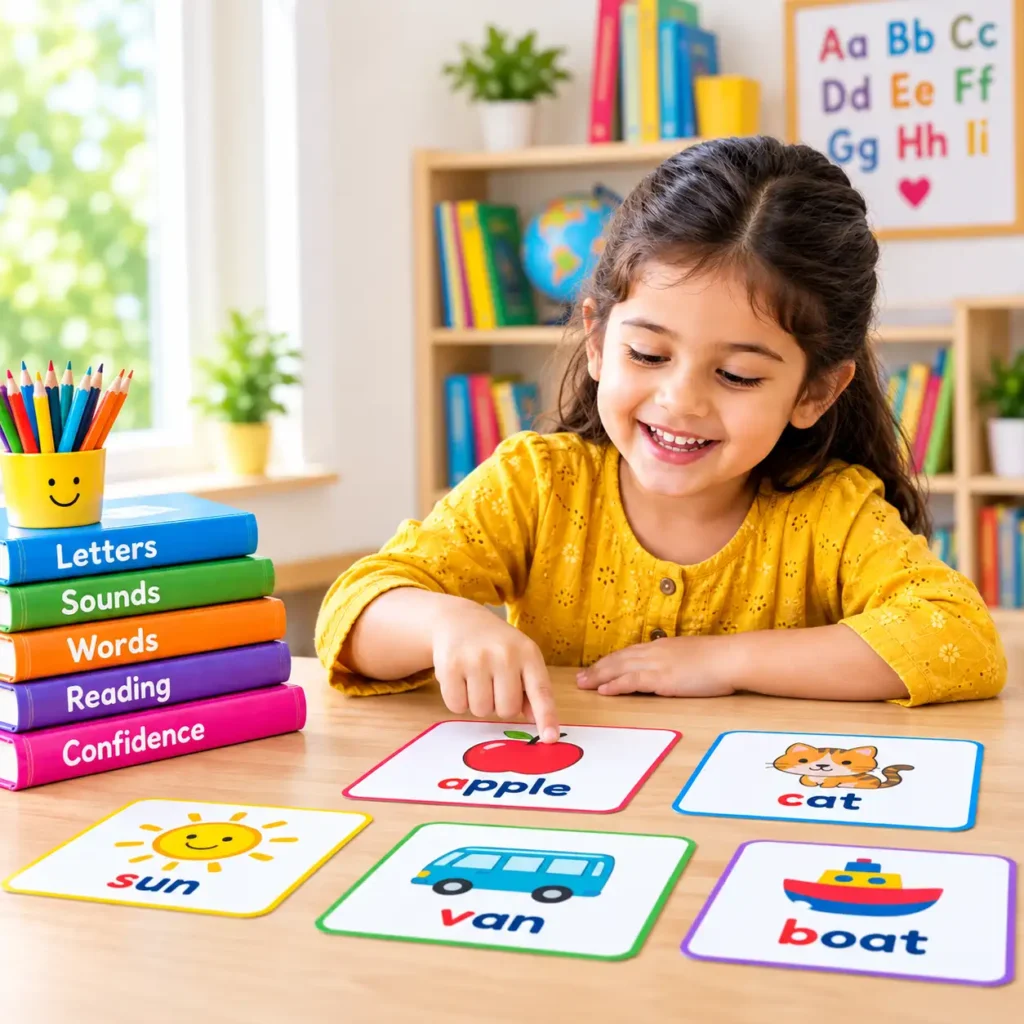
Learning to read is an important step for every child. Phonics helps children connect letters with their sounds. This makes it easier for them to read words, spell simple words, and build confidence.
But every child learns at a different speed. A program that works well for one child may not be right for another. Age, grade, reading level, and learning style can all make a difference.
Parents should look at these points before choosing a phonics program. The goal is not to find a program that looks popular. The goal is to find one that matches the child’s current needs and helps them move forward step by step.
What Is a Phonics Program and Why Is It Important for Children?
A phonics program teaches children how letters and sounds work together. For example, children learn to say /b/ when they see the letter “b”. Later, the child can use this skill to read words such as “bat” and “big.”
A good phonics program for children usually starts with simple sounds and slowly moves to harder reading skills. Children may learn letter sounds, blending, word reading, and basic spelling.
A structured phonics reading program can help children:
- Recognize letters and their sounds
- Blend sounds to read simple words
- Improve early reading skills
- Learn common spelling patterns
- Build confidence while reading
- Develop a strong base for future learning
Phonics is especially useful in the early years because children are still learning how written words connect to spoken language.
Which Phonics Program Is Right for Preschool Children?
Young children need learning activities that are simple, short, and fun. They may not be ready for long lessons or difficult reading tasks. This is why parents should consider the child’s age before selecting a program.
Preschool phonics often begins with listening to sounds, recognizing letters, and learning simple letter-sound links. Songs, stories, pictures, games, and hands-on activities can make lessons easier for young children to enjoy.
For phonics for 3 year olds, the focus can be on hearing sounds, recognizing letters, and learning a few simple letter sounds. At this age, children do not need to rush into reading long words.
For phonics for 4 year olds, children can slowly learn more letter sounds and start joining sounds together. Simple words such as “cat,” “sun,” or “map” can be introduced when the child is ready.
When looking at phonics for toddlers, parents should keep expectations low and focus mainly on sound awareness and language play. Reading books together, singing sound songs, and naming letters can be useful early activities.
For phonics for 5 year olds, many children are ready to work more on blending and reading short words. However, their progress can still be different from other children of the same age.
The key point is simple: age can guide your choice, but it should not be the only factor.
What Phonics Program Is Suitable for Grade 1 and Grade 2?
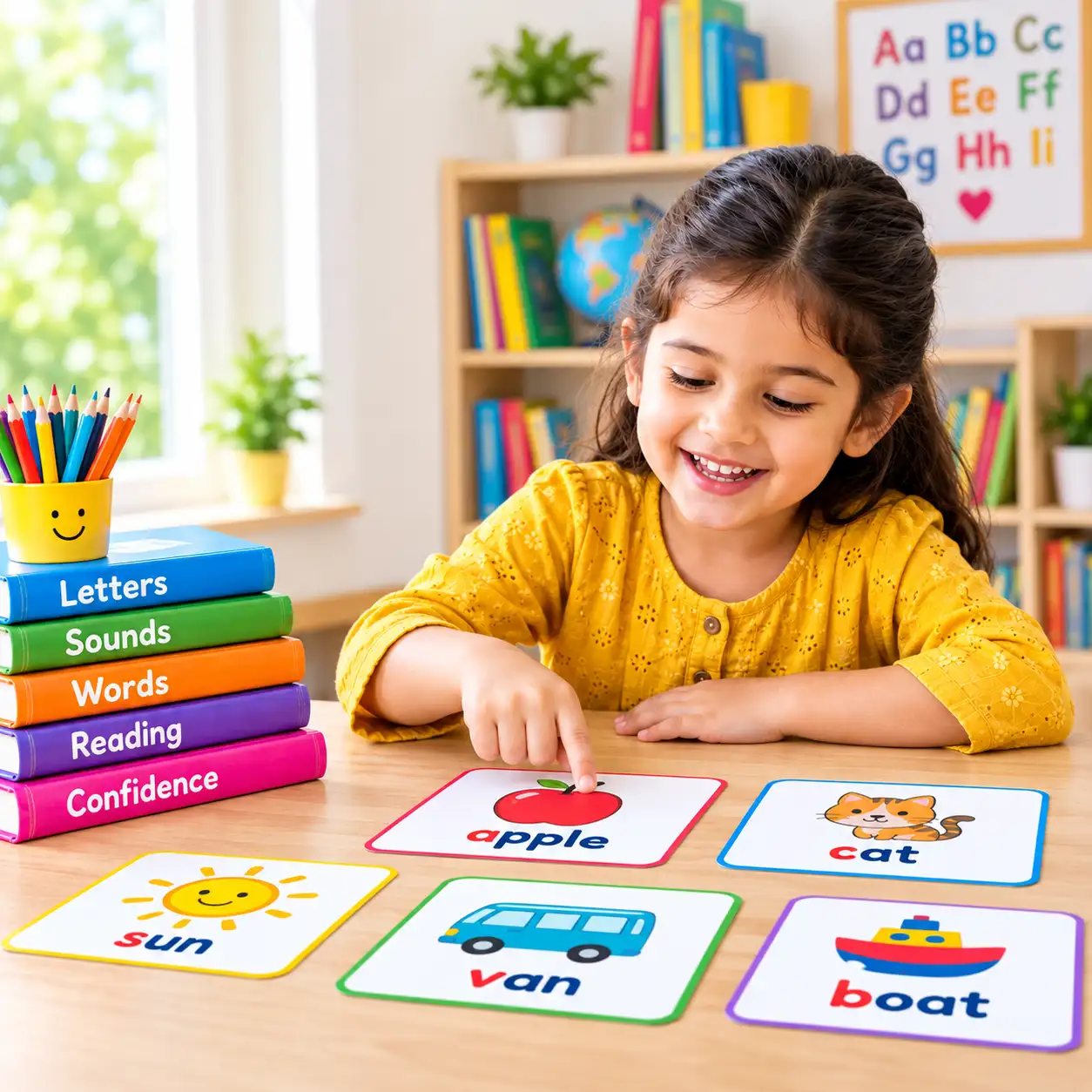
As children move into school, phonics lessons can become more detailed. They may already know basic letter sounds and need practice using those sounds while reading.
For phonics for kindergarten, children may learn letter sounds, beginning sounds, blending, and simple words. The program should give them enough practice without making reading feel like a difficult task.
For phonics for 6 year olds, many children can begin working with longer words, common sound patterns, and more regular reading practice. Activities can also include simple sentences and short books.
In Grade 1, children may need a program that helps them move from single words to sentences. They can practice blending sounds, reading common words, and understanding basic spelling patterns.
In Grade 2, children may benefit from activities that support more complex words and improve reading fluency. At this stage, phonics should work together with reading practice and understanding what they read.
Parents should check what the child already knows before choosing a level. A child who needs more practice with basic sounds may benefit from starting at an earlier level, even if they are in a higher grade.
How Can You Choose a Phonics Program Based on Your Child’s Reading Level?
Age and grade are useful starting points, but your child’s reading level gives you more information.
Before you Choose the Right Phonics Program, check a few simple skills. Can your child recognize most letters? Can they say common letter sounds? Can they blend sounds such as /c/ /a/ /t/ to read “cat”? Can they read simple words without help?
These questions can help you understand where your child needs support.
If your child is new to phonics, look for a beginner level. If they already know basic sounds, a program with blending and word reading may be more suitable. Children who can read simple words may need practice with harder sound patterns and longer words.
The Phonics Program for Your Child should also match their learning speed. Some children learn quickly, while others need more repetition. A good program should allow children to practice a skill before moving to the next one.
Parents can also speak with the child’s teacher or reading tutor. Their feedback can help identify skills that need more practice.
What Should You Look for in a Good Phonics Program?
There are many best phonics programs available, but parents should not choose one only because it is popular. Look at how the program teaches and supports your child.
A Right Phonics Program should have clear lessons and a simple learning order. It should start with basic skills and gradually introduce harder ones.
Look for these features:
1. Clear sound lessons:
Children should learn letter sounds in a simple and clear way.
2. Step-by-step learning:
Lessons should move from easy skills to harder ones without rushing the child.
3. Regular practice:
Children need repeated practice to remember sounds and use them while reading.
4. Fun activities:
Games, stories, songs, and pictures can help young learners stay interested.
5. Reading practice:
The program should give children chances to use phonics skills in real words and simple sentences.
6. Progress checks:
Parents should be able to see what their child has learned and which skills need more practice.
7. Flexible learning:
A good program should allow children to learn at a comfortable pace.
Most importantly, watch how your child responds to the lessons. If they feel confident and can slowly use new sounds while reading, the program is supporting useful progress.
Conclusion
Choosing the right phonics program is not only about your child’s age or school grade. It is about finding a learning level that matches what they already know and what they need to learn next.
Start with simple skills, check your child’s reading level, and choose lessons that offer clear teaching and regular practice. With the right support, children can build strong early reading skills and become more confident readers.
Frequently Asked Questions
Children can start learning basic phonics skills during the preschool years. Simple letter sounds, listening games, and songs can help build early reading skills.
A 3-year-old can begin with sound awareness, letter recognition, and a few simple letter sounds. Learning should be short, playful, and easy to follow.
A 4-year-old can learn more letter sounds and begin joining sounds together. Simple words and fun reading activities can help develop these skills.
The right program for preschoolers should use simple lessons, songs, stories, games, and repeated practice. It should also match the child's learning level.
Kindergarten children can learn letter sounds, beginning sounds, blending, simple words, and basic reading patterns. Regular practice can help them use these skills with confidence.
Enquire Form
Our Courses
- Phonics
- Grammar & Writing
- Spoken English
- Teacher Training